Australia's Free Daytime Electricity Scheme: What Engineers Need to Know
From July 2026, households in three Australian states get free electricity for three hours a day. Here's how the Solar Sharer Offer works, the 24 kWh cap, and what it means for energy systems.
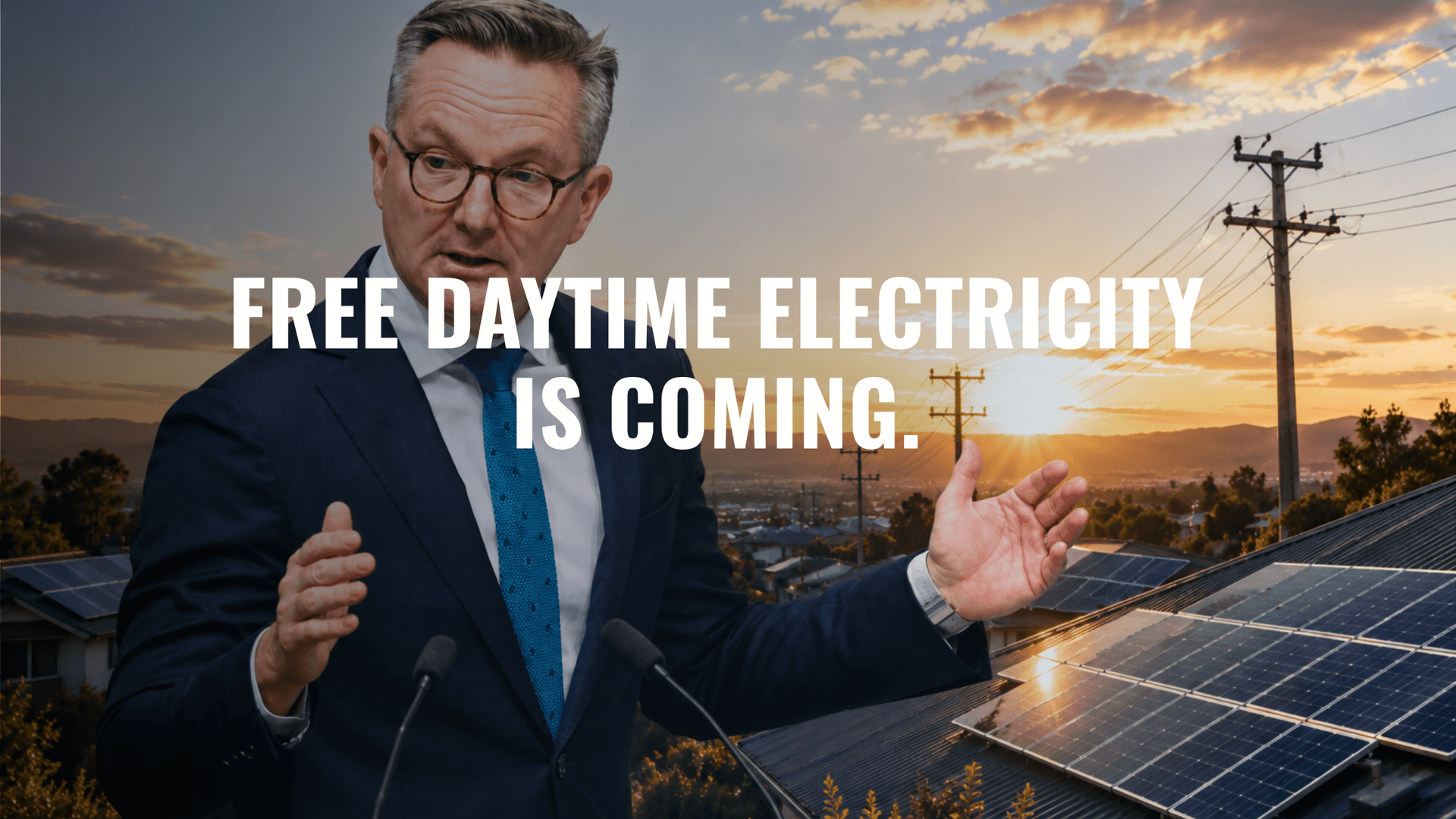
Starting 1 July 2026, energy retailers in New South Wales, South-East Queensland, and South Australia must offer households at least three hours of free electricity daily, timed around midday peak solar output. The scheme, called the Solar Sharer Offer, requires only a smart meter and an opt-in—no solar panels or home ownership needed.
Australia's 4.3 million rooftop solar installations often push wholesale electricity prices negative during sunny middays, but that benefit never reached consumers. The Solar Sharer Offer mandates retailers pass on those savings directly. The free window will typically run from 11am to 2pm or noon to 3pm, adjusted for local conditions.
Key Design Details
After a public consultation that received 76 submissions, the government added a reasonable use cap of 24 kWh per day. That's roughly the average daily consumption of a five-person household, per Australian Energy Regulator benchmarks. The cap prevents heavy users—like those charging a large battery and an EV simultaneously—from exploiting the free window excessively. Exceeding the cap simply reverts you to standard daytime rates for the remainder of the period; no penalties apply.
For most solar households, the cap is irrelevant because self-generation already reduces grid draw during the window. The cap mainly affects non-solar households hoping to charge large batteries heavily.
Savings Estimates
The Department of Climate Change, Energy, the Environment and Water published modelled savings in January 2026:
- Shift 10% of energy use: $100–$190/year
- Shift 20%: $300–$790/year
- Shift 25–30%: $400–$1,100/year
These depend on how much load you can move into the free window—washing machine, dryer, dishwasher, hot water, EV charging, pool pump.
Implications for Tech and Infrastructure
For engineers working on home energy management systems, this is a signal to build automation that schedules battery charging and EV charging during the free window. Platforms like Sigenergy already support this. The scheme also opens solar benefits to renters and apartment dwellers, who previously had no way to participate.
Victoria may join from October 2026; other states are expected by 2027. Several retailers—AGL, Red Energy, GloBird Energy, OVO Energy—already offer voluntary free daytime plans, so early adopters can start now.
Discussion
0 Comments
Be the first to start the discussion.