Building a WWII Jeep from Scratch: A Lesson in Extreme Project Management
A media company co-founder documents the grueling process of assembling a brand-new Willys MB from eBay parts, highlighting the engineering and logistical challenges.
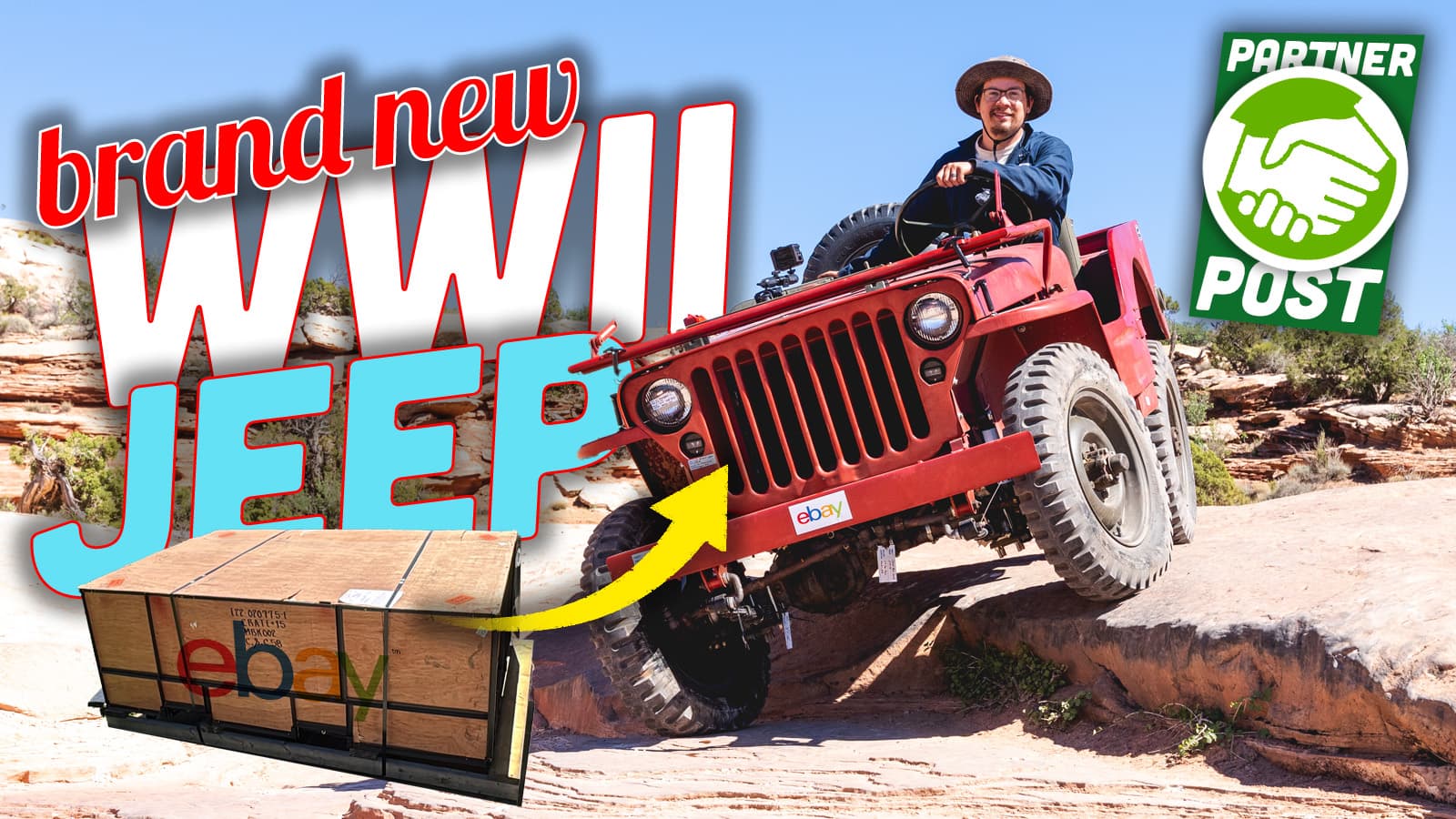
David Tracy, co-founder of The Autopian, took on a seemingly impossible project: build a brand-new WWII Jeep entirely from parts sourced on eBay, drive it 900 miles, and off-road it in Moab. This isn't just a car build story—it's a case study in extreme project management, supply chain logistics, and engineering under pressure.
The Pitch and the Predicament
At an F1 event in Las Vegas, Tracy casually mentioned to eBay Motors that one could assemble a complete WWII Jeep using only eBay parts. Months later, eBay took him up on it. The deal: eBay would cover costs and compensate The Autopian for content, in exchange for Tracy building a new Willys MB from scratch, driving it to Utah, and tackling tough trails. The project would fund a staff salary—a big deal for a small media company.
But Tracy soon realized the scope. Unlike restoring an existing Jeep, building one from nothing meant sourcing and assembling over 1,000 parts with no factory blueprint. He had to rely on forums, videos, and a reference Jeep (a $1,500 desert junker) to figure out how everything fit together.
Key Components and Sourcing Strategy
Tracy committed to 75% new parts, with three critical components being factory-fresh: the body, frame, and engine. The body and frame came from MD Juan in the Philippines, shipped in massive crates. The engine—a new Go-Devil motor—was sourced from a French supplier via eBay seller Kaiser Willys. This global supply chain required careful coordination and a lot of patience.
To keep the project on track, Tracy prepped his workplace and made strategic calls early on. He knew that with a day job, a newborn, and a media company to run, he couldn't afford wasted time. His approach: break the build into manageable phases, prioritize critical-path items, and lean on community knowledge.
Engineering Lessons for Any Builder
This project offers several takeaways for software engineers and infrastructure folks:
- Start with a reference system. Tracy used a junker Jeep as a physical guide. In software, that's a staging environment or a well-documented codebase.
- Source components early. Long lead times on the body and engine forced him to order months ahead. Same principle applies to third-party APIs or hardware dependencies.
- Plan for integration hell. Every part had to fit together despite being from different manufacturers. Testing and validation are non-negotiable.
- Know when to compromise. Tracy borrowed three parts from the reference Jeep. Sometimes you need a quick fix to unblock progress.
The build is still ongoing, but the lessons are already clear: even with a tight timeline and limited resources, a disciplined, systematic approach can make the impossible achievable.
Source: The Autopian
Discussion
0 Comments
Be the first to start the discussion.