EU Bans Destruction of Unsold Textiles: A Regulatory Shift with Engineering Implications
Starting July 2026, large EU companies can no longer destroy unsold clothes and shoes. The regulation mandates reuse, donation, or recycling, with fines for non-compliance.
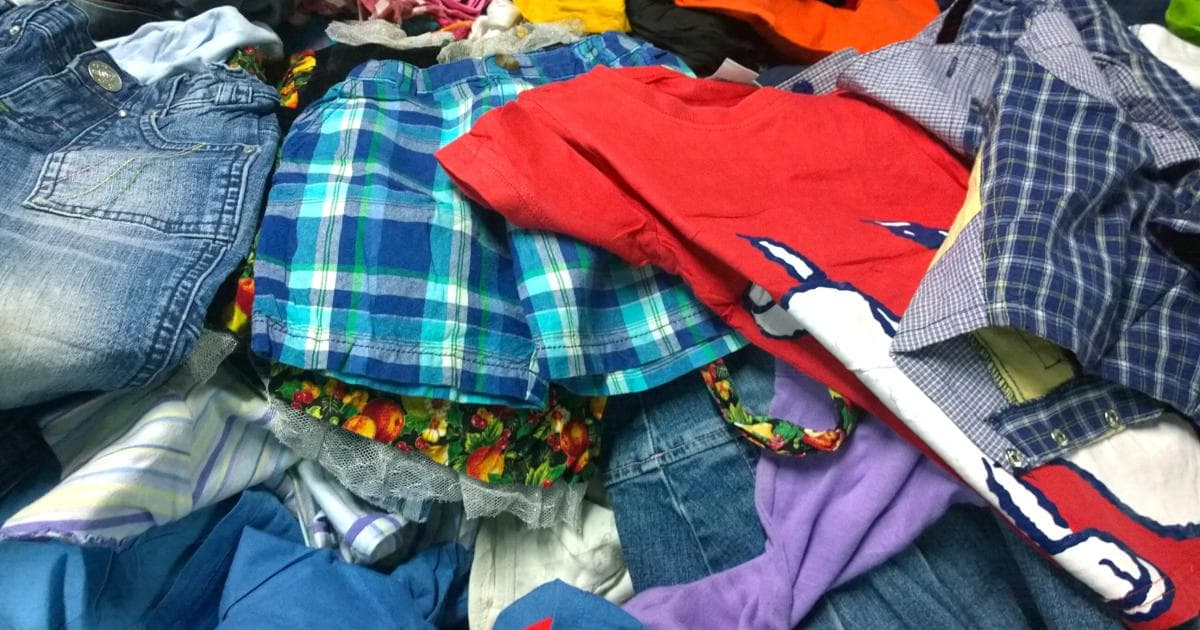
As of July 19, 2026, large companies across the EU are prohibited from destroying unsold clothes, clothing accessories, and footwear. Medium-sized firms get a pass until 2030. This isn't a fashion policy — it's a supply-chain and waste-management regulation that engineers building logistics, inventory, and circular-economy platforms need to understand.
What the ban actually requires
Under the Ecodesign for Sustainable Products Regulation (ESPR), businesses must prioritize keeping unsold goods in use: selling them (discounts, alternative markets), donating to charities or social enterprises, or preparing them for reuse (repair, refurbishment, remanufacturing). Destruction is only allowed when items are unsafe, damaged, counterfeit, or rejected by donation schemes — and even then, companies must provide proof and publish annual discard reports.
Why this matters for engineers
This regulation creates concrete requirements for inventory tracking, reverse logistics, and data reporting. Companies will need systems to:
- Track unsold stock through its lifecycle — from warehouse to donation partner or recycler.
- Generate annual reports on discarded products, using existing customs and logistics codes to reduce paperwork.
- Integrate with charity and recycling partner APIs to verify that goods are actually reused, not secretly trashed.
For those building ERP, supply-chain, or sustainability platforms, this is a new compliance hook. Expect demand for modules that handle the "proof of reuse" workflow — think digital receipts from donation centers, QR-code-based tracking, and automated reporting to national authorities.
Enforcement and scale
National authorities will inspect compliance and can levy fines. Companies must keep records for five years. The European Environment Agency estimates that 4–9% of all textile products placed on the EU market are destroyed before use — between 264,000 and 594,000 tonnes annually. That's a lot of waste to redirect, and a lot of data to manage.
The bigger picture
Textiles are the first product group hit by this ban under the broader ESPR, which aims to make all products more durable, repairable, and recyclable. If you're building software for retail, logistics, or sustainability, expect similar rules to spread to electronics, furniture, and other categories. The engineering challenge: building systems that make circularity auditable at scale.
Source: Environment
Discussion
0 Comments
Be the first to start the discussion.