FDA Rejects PFAS Limits in Food: A Regulatory Gap Exposed
The FDA has denied a petition to set enforceable limits on toxic PFAS in food, despite EPA findings that food is the primary exposure source. This decision leaves a dangerous regulatory gap, as testing reveals widespread contamination in seafood, milk, and produce.
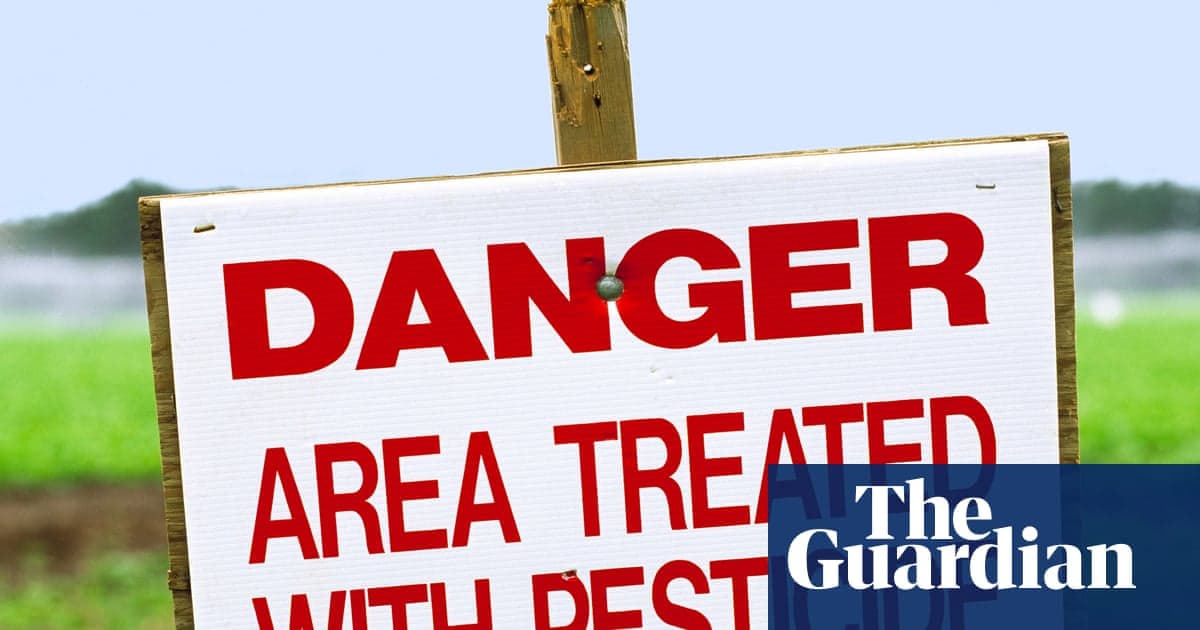
The U.S. Food and Drug Administration (FDA) has rejected a legal petition from the Tucson Environmental Justice Task Force (TEJTF) that demanded enforceable limits on PFAS “forever chemicals” in food. This comes despite the Environmental Protection Agency (EPA) identifying food as the primary source of PFAS exposure for most Americans. The agency’s refusal highlights a glaring inconsistency: while PFAS in water is increasingly regulated, the same chemicals in food remain largely unchecked.
What Happened
TEJTF filed the original petition in November 2023, calling for FDA testing of up to 30 PFAS compounds in produce, fish, eggs, milk, and bread. After the FDA missed its statutory six-month response window, the group scaled back its request in 2025 to focus on advisory thresholds for PFOA and PFOS—two of the most hazardous compounds—in seafood and milk. The FDA rejected the revised petition, claiming “insufficient evidence” and stating it would instead pursue non-binding “action levels” that do not require contaminated food to be removed from shelves.
Why This Matters for Engineers
For developers and infrastructure engineers, this story is a case study in regulatory data gaps. The FDA’s testing methodology is outdated: in 2019, it changed its detection limits so that only extremely high PFAS levels are caught, effectively ignoring moderate contamination that still poses health risks. As one former USDA official put it, “Imagine using a radar gun to detect speeding, but then manipulating it to only catch cars going over 100 mph.”
Independent testing paints a stark picture: 70% of seafood samples contain PFAS, and 12% of milk samples—including organic brands—show contamination. The levels found in a single serving of contaminated blueberries can equal drinking a liter of water above the federal limit. Yet the FDA’s annual testing program remains minimal and methodologically flawed.
The Technical Takeaway
This is a classic example of a system where measurement determines policy. The FDA’s decision to use less sensitive testing methods directly reduces the perceived scope of the problem, enabling regulatory inaction. For anyone building data pipelines or monitoring systems, the lesson is clear: your instrumentation choices define what you can detect, and what you don’t measure you can’t fix.
TEJTF plans to sue to force the FDA to set enforceable tolerance levels. Until then, the burden falls on independent researchers and state agencies to fill the data void. The technology to test food for PFAS exists—it’s just not being deployed at scale.
Source: the Guardian
Discussion
0 Comments
Be the first to start the discussion.