Meta's $17B Teen-Safety Settlement: The Algorithm Liability Precedent
Meta settles with 47 states for up to $17B over teen mental health, agreeing to remove like counts and cap teen usage. The real story: algorithms, not content, are now in the legal crosshairs.
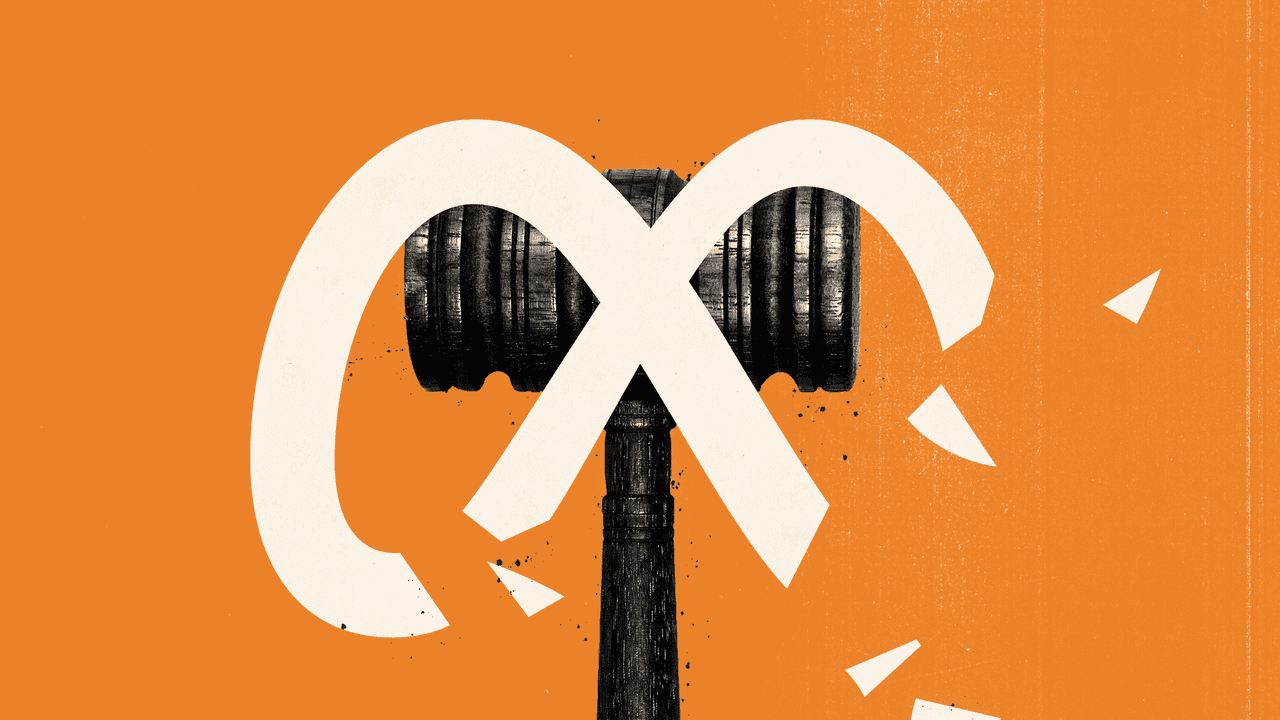
Meta's decade-long legal reckoning over teen mental health reached a landmark settlement last Wednesday. The company agreed to pay up to $17 billion to 47 states' attorneys general, without admitting wrongdoing, and to implement sweeping changes to how Facebook and Instagram operate for younger users.
The settlement's core legal theory is what makes it significant: even if platforms can't be held liable for user-generated content under Section 230, they can be liable for the algorithms that shape what users see. The plaintiffs argued Meta's recommendation systems amplified harmful content and manipulated teen attention, and the evidence was damning—a former engineer testified that teens were 100-400 times more likely to encounter violent content than Meta publicly acknowledged.
Beyond the financial penalty, Meta agreed to concrete product changes: removing like counts on posts, stricter age verification, a two-hour daily limit for teens, and nighttime service restrictions. These measures, if adopted industry-wide, could fundamentally reshape the social media experience.
But the settlement has critics. Florida's AG James Uthmeier refused to join, calling it insufficient and vowing to meet Meta at trial. The comparison to the 1990s tobacco settlements is tempting, but Meta is a trillion-dollar AI company, and this settlement covers only a fraction of its operations.
The deeper problem, as the source notes, is speed. It took over a decade of concern before legal enforcement changed Meta's behavior. Meanwhile, AI data centers are cropping up nationwide before the public has weighed in, and the crypto industry remains a major political donor. The machinery of accountability crawls while technology accelerates.
Zuckerberg's own framing—that he builds things because he likes building—ignores the question of what those things do to people. The social media era may be waning, but the pattern persists: cloaked rollout, sudden ubiquity, panicked response. As the source observes, we're still stuck in versions of Zuck, and the new AI leaders are already making the same defensive case: "Trust us."
Two decades on, we are still stuck in versions of Zuck. The week of the Facebook settlement, the cover of Time featured Sam Altman and Greg Brockman, two of the founders of OpenAI, making a defensive case for their product. The headline read, simply, 'Trust Us.'
Source: The New Yorker
Discussion
0 Comments
Be the first to start the discussion.