Nicholas Rougeux Restores 1,300+ 19th-Century Wildlife Illustrations with AI
Designer Nicholas Rougeux has restored and digitized over 1,300 color plates from 'The Naturalist’s Library', using AI to source and fill gaps. The entire collection is free online.
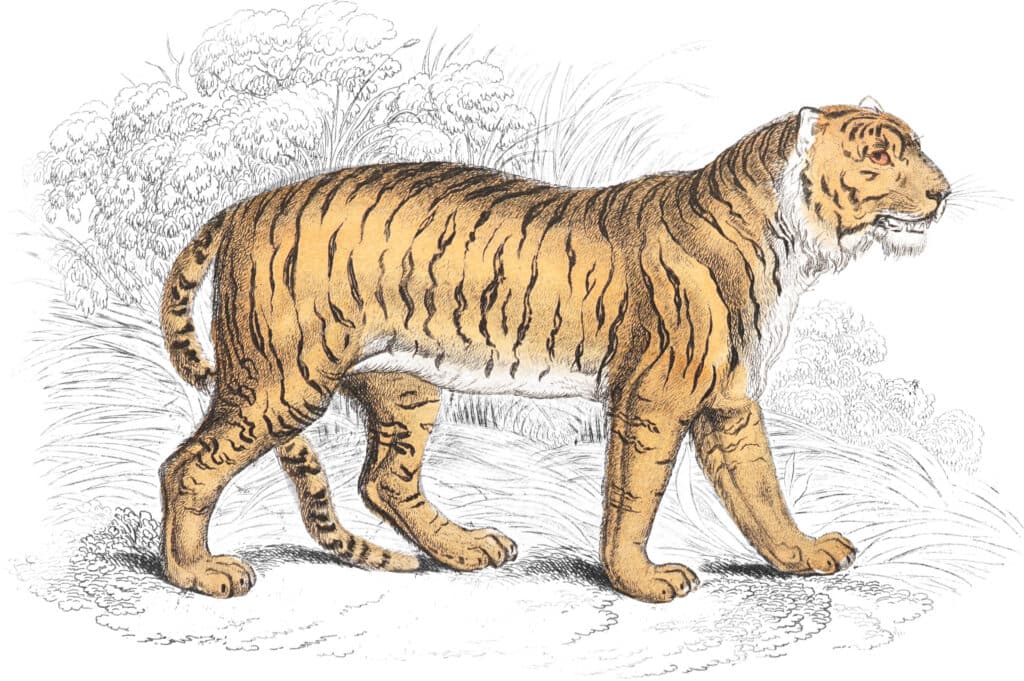
Nicholas Rougeux, the designer behind digital restorations of Euclid’s Elements and Redouté’s botanical works, has turned his attention to The Naturalist’s Library — a 40-volume series from the mid-19th century. The result: over 1,300 restored color plates, now available for free on his website.
What’s Inside
The original Naturalist’s Library was a landmark in accessible natural history. Each volume covered a class of animals — birds, mammals, marsupials — with detailed text and vivid hand-colored illustrations. Rougeux has scanned and digitally restored every plate, removing age-related damage while preserving the original lithographic detail.
AI’s Role
Rougeux documented his process in a blog post, noting that AI tools helped him discover the series in the first place. He used AI to locate missing reference materials and to brainstorm cover designs for a printed compilation. This is a pragmatic use of LLMs for archival work — not hype, just a faster way to close gaps in a historical dataset.
Access and Formats
The full collection lives at c82.net/naturalists-library, free to browse. For those who want a physical artifact, Rougeux sells a hardcover book of the plates for $295.11 and a series of posters. But the real value is the open web version — no paywall, no login.
Why This Matters for Engineers
This project is a case study in combining traditional digitization workflows with modern AI. It shows how LLMs can assist with metadata enrichment, source discovery, and even design iteration — all without replacing the human curator. For anyone building tools for digital archives or cultural heritage, Rougeux’s approach is worth studying.
Source: Open Culture
Discussion
0 Comments
Be the first to start the discussion.