Retro Computing's Design Lessons: Why Anachronistic Tech Inspires Modern Engineers
A look at Playdate, PICO-8, and Infinite Mac shows how intentional constraints and anachronistic design can lead to more thoughtful software—lessons that resonate with today's developers.
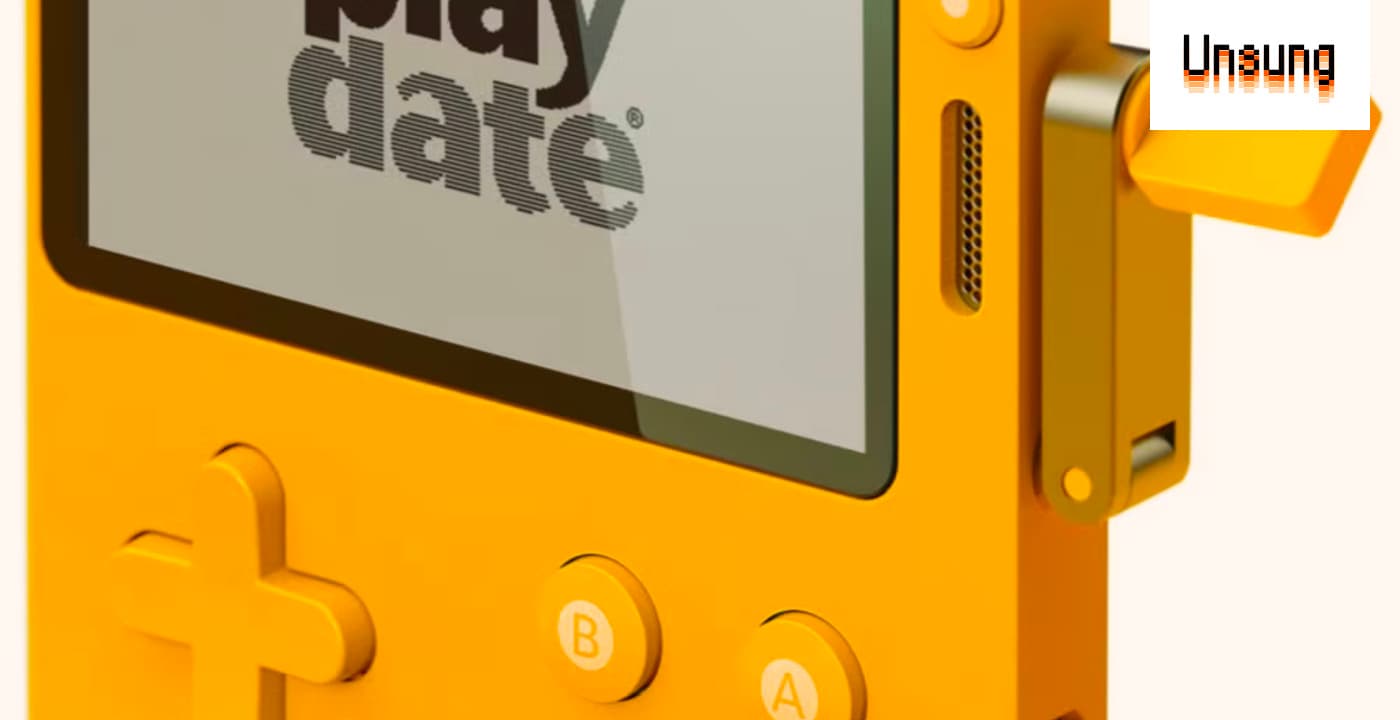
Retro computing projects often get dismissed as nostalgia bait, but a recent essay argues they offer real design lessons for modern engineers. The piece, responding to John Gruber's critique of ArtfulType—a Markdown editor for 1980s Macs—makes the case that anachronistic tech isn't about reliving the past, but about cherry-picking the best ideas from different eras.
The Playdate: Hardware That Defies Time
Playdate, the 2022 handheld from Panic, deliberately mixes eras: the gadget excitement of the '80s, the monochrome aesthetic of the '90s, and modern build quality. Its 400x240 black-and-white screen is a conscious choice, not a limitation. As Panic designer Neven Mrgan puts it, the constraint is freeing—no color, no line weight worries, just pure design.
For engineers, this is a reminder that constraints can spark creativity. Modern development often suffers from feature creep and endless configuration options. Playdate's approach shows that limiting the canvas can lead to more focused, thoughtful output.
PICO-8: Emulating the Imaginary
PICO-8, Joseph White's 2015 "fantasy console," flips emulation on its head: instead of emulating real hardware, it emulates a console that never existed. With a 128x128 resolution and a deliberate 16-color palette, it imposes constraints that would seem ridiculous even decades ago—but those constraints are intentional, aimed at avoiding "design fatigue."
White's talk reveals a key insight: he designed a hypothetical "PICO-16" just to remind himself what not to build. This technique—defining what you don't want—is a powerful tool for any developer facing scope creep. PICO-8 also shows that constraints don't mean rejecting modern conveniences: it supports modern keyboards, mice, and even bakes cartridges into PNG files for easy sharing.
Infinite Mac: The Best of the Past, Without the Pain
Infinite Mac, by Mihai Parparita, takes a different approach: it emulates real vintage Macs but wraps them in a modern, user-friendly package. No ROM hunting or fiddly settings—just pick a Mac and go. It even breaks the fourth wall with features like drag-and-drop file transfer and a shared folder between host and guest, things that were impossible on original hardware.
The project's popularity—people use it to write in old word processors because they're faster than modern apps—is a quiet indictment of today's bloated software. It's not about nostalgia; it's about efficiency and focus.
What Engineers Can Learn
These projects share a common thread: intentionality. They don't blindly replicate the past; they select the best parts and discard the rest. For working engineers, the lesson is clear: constraints can be liberating, and "modern" isn't always better. Sometimes, the most innovative solution is to look backward for inspiration.
As the essay notes, seeing young people at the Vintage Computer Festival West is exciting—not because they're reliving someone else's glory days, but because they see these machines as inspiration: simpler, unencumbered, and with software you can understand and own.
It's not about reliving the past, but about cherry-picking the best ideas from different eras and applying them with intentionality.
| Project | Year | Key Constraint | Modern Twist |
|---|---|---|---|
| Playdate | 2022 | Monochrome 400x240 screen | Metal build, crank, season-based game delivery |
| PICO-8 | 2015 | 128x128 resolution, 16 colors | Built-in tools, PNG cartridges, modern input support |
| Infinite Mac | 2022 | Emulates 1980s-90s Macs | Browser-based, drag-and-drop, shared folders |
Discussion
0 Comments
Be the first to start the discussion.