Snowboard Kids Decompiled in 84 Days: What LLM Agents Actually Did
The original Snowboard Kids N64 game is now 100% decompiled in just 84 days—about one-seventh the time of its sequel. The author credits a mix of AI agents, expert human help, and better tooling, but warns that LLMs alone couldn't have done it.
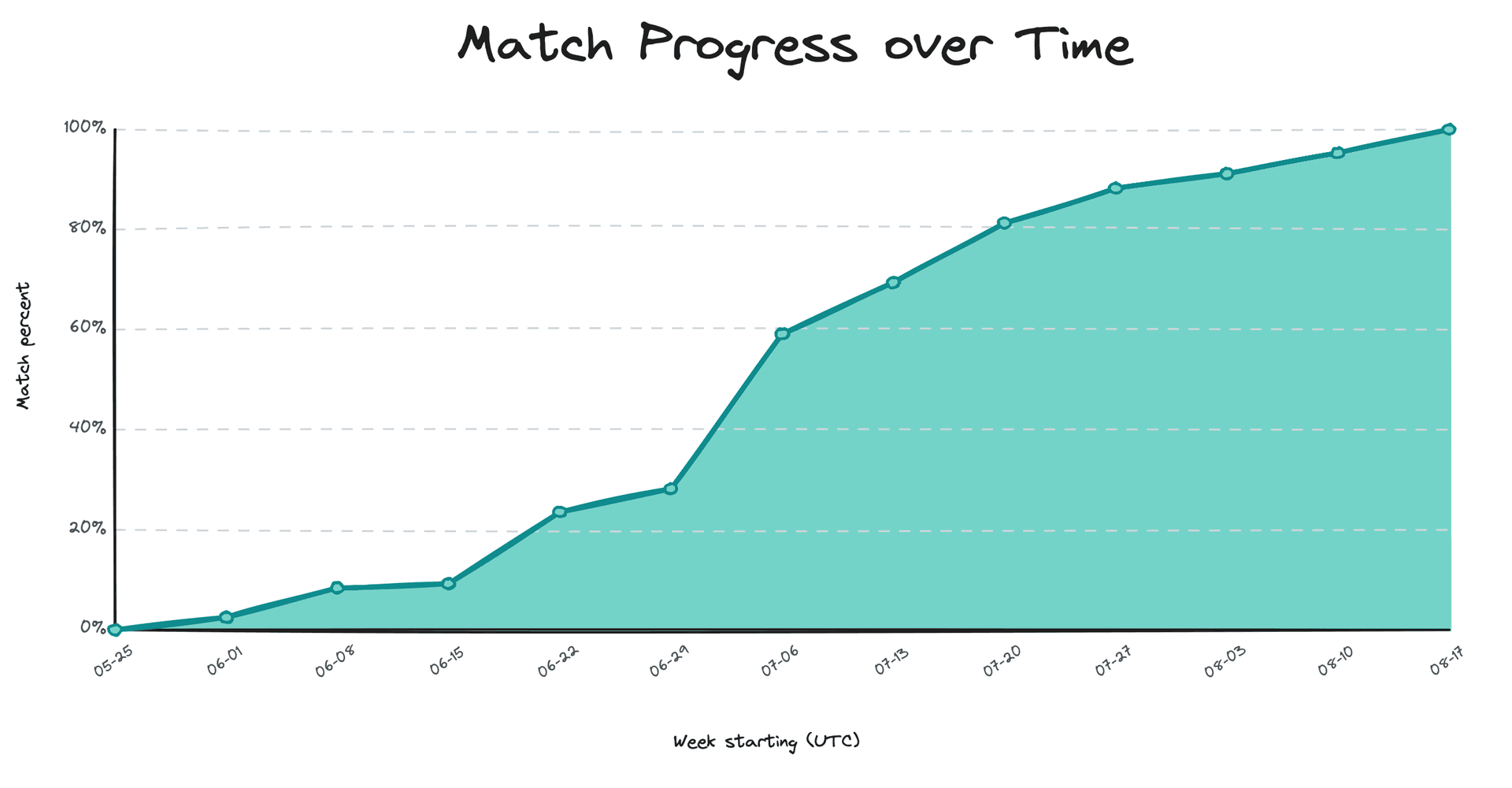
The original Snowboard Kids for the Nintendo 64 is now fully decompiled, with every function matching the original machine code when compiled. The project took 84 days, compared to 596 days for the sequel—a dramatic speedup that the author attributes to a combination of AI agents, expert human intervention, and improved tooling.
This is a notable milestone for the retro-gaming and decompilation community. A complete decompilation means the game's source code is effectively reconstructed, enabling speedrunners to understand exact game mechanics, and opening the door to static recompilation and ambitious modding.
Why So Fast?
The author, Chris Lewis, had already spent nearly two years on a similar project (Snowboard Kids 2), so he was vastly more experienced. But the biggest difference was access to frontier LLMs and a capable agent harness (Nigel). However, he is quick to point out that AI was not the sole reason: roughly 4.8% of matching commits required expert human intervention, and the project relied heavily on community contributions.
Another factor was the compiler. Snowboard Kids was compiled with IDO 5.3, a proprietary SGI compiler that is notoriously difficult to work with. Unlike GCC, IDO's source is not available, and its aggressive optimization passes make it hard to predict. The decompilation community has had to reverse-engineer and statically recompile IDO to run on modern hardware.
Where Agents Helped
Agents excelled at matching standard-library code, such as Nintendo's libultra and libmus audio library. The author found that agents needed strong prompting to reuse existing library source instead of decompiling from scratch. An automated script using m2c matched only 17 of 1,830 functions (0.93%), but it was still cheaper than burning agent tokens.
Agents also helped document IDO quirks in a DECOMPILATION_LEARNINGS.md file, creating a feedback loop that made subsequent agents better. The N64 Decomp Workbench proved invaluable for debugging late-stage mismatches, as it can replay compiler passes and distinguish structural problems from register-allocation issues.
Parallelization and Synchronization
The author ran the harness across four Git worktrees, allowing parallel decompilation attempts. Each task had an explicit deadline, which helped agents use the permuter more effectively. However, synchronization became a challenge: when one worktree decompiled a function similar to one being attempted elsewhere, the other agent couldn't see it until a merge. Periodic merges fixed this but could take over an hour.
Takeaway
This project demonstrates that LLM agents can significantly accelerate decompilation, but they are not a silver bullet. The hardest part is not understanding what a function does, but how it was expressed in C and compiled—especially with a closed compiler like IDO. Human expertise and community tooling remain essential.
No amount of AI would have been able to replace them.
Source: Chris' Blog
Discussion
0 Comments
Be the first to start the discussion.