Teenagers Beat the Experts: Rhizobia Bacteria Make Cereals Germinate 50% Faster
Three Irish schoolgirls spent three years testing 13,000 seeds in a spare bedroom and proved that rhizobia—bacteria normally associated with legumes—can boost cereal germination by up to 50%. Their bedroom study won Google's grand prize and challenges a long-held agricultural assumption.
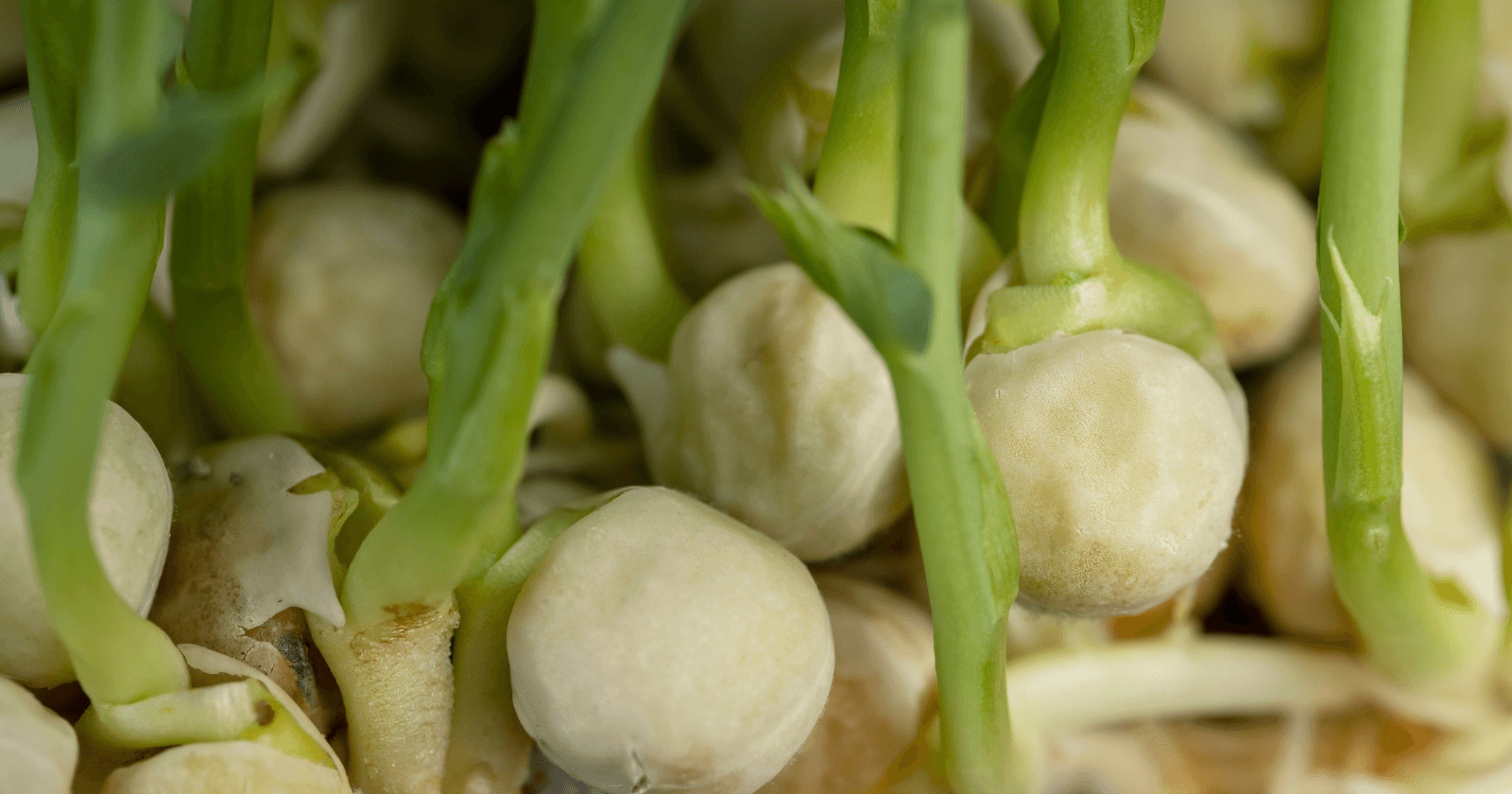
In Kinsale, Ireland, three teenage girls—Émer Hickey, Ciara Judge, and Sophie Healy-Thow—turned a suspicious pea plant into a three-year, 13,000-seed experiment that upended a core assumption in agricultural biology. The plant's root nodules, which looked like warts, housed rhizobia, a nitrogen-fixing bacterium that legumes use to convert atmospheric nitrogen into ammonia. Cereals like barley, wheat, and rice can't form this symbiosis. The girls asked: can the bacteria still help cereals?
The scientific establishment said no. But the girls, then around 14, found no evidence that anyone had tested it at scale. So they converted a spare bedroom into a lab, soaked cereal seeds in rhizobium cultures, and measured everything—germination time, rate, seedling growth, dry mass—across barley, oats, and wheat. Over three years, they tested 13,000 seeds and logged roughly 120,000 hand-recorded measurements.
The results were striking. Treated barley and oats germinated up to 50% faster and more reliably, with dry mass gains up to 74% in growth trials. The bacteria didn't form nodules on cereals, but the seed-level association gave the plants a head start that persisted. The project won Ireland's BT Young Scientist of the Year in 2013—the first all-girl team to do so—and then the EU Young Scientist contest. In September 2014, it took the grand prize at Google's Science Fair, beating thousands of entries worldwide.
The implications for agriculture are significant. Germination is a hidden tax on farming; slow or uneven sprouting cuts yields before the season begins. A seed treatment using naturally occurring soil bacteria, with no synthetic chemistry, could be a low-cost tool for smallholder farmers in regions with short growing seasons and thin margins. The girls framed their work around food security from the start.
But the honest caveats remain: a bedroom study, however ambitious, isn't a peer-reviewed field program. The 'up to' figures are ceilings, not averages, and no commercial product has yet emerged from the Kinsale data. Still, the core finding stands—and it's a reminder that expert consensus, when untested, can be wrong. The girls checked the literature, found a gap, and filled it with patience and rigor.
The pea plant's warts turned out to be the least diseased thing in the story. The ailment was the assumption.
Discussion
0 Comments
Be the first to start the discussion.