EU repairability rules are a joke: 80% of smartphones still hide repair info
One year after EU repairability rules took effect, over 80% of new smartphones still lack required repair information. Manufacturers self-report top scores while leaving fields blank or linking to Temu. Enforcement is nonexistent.
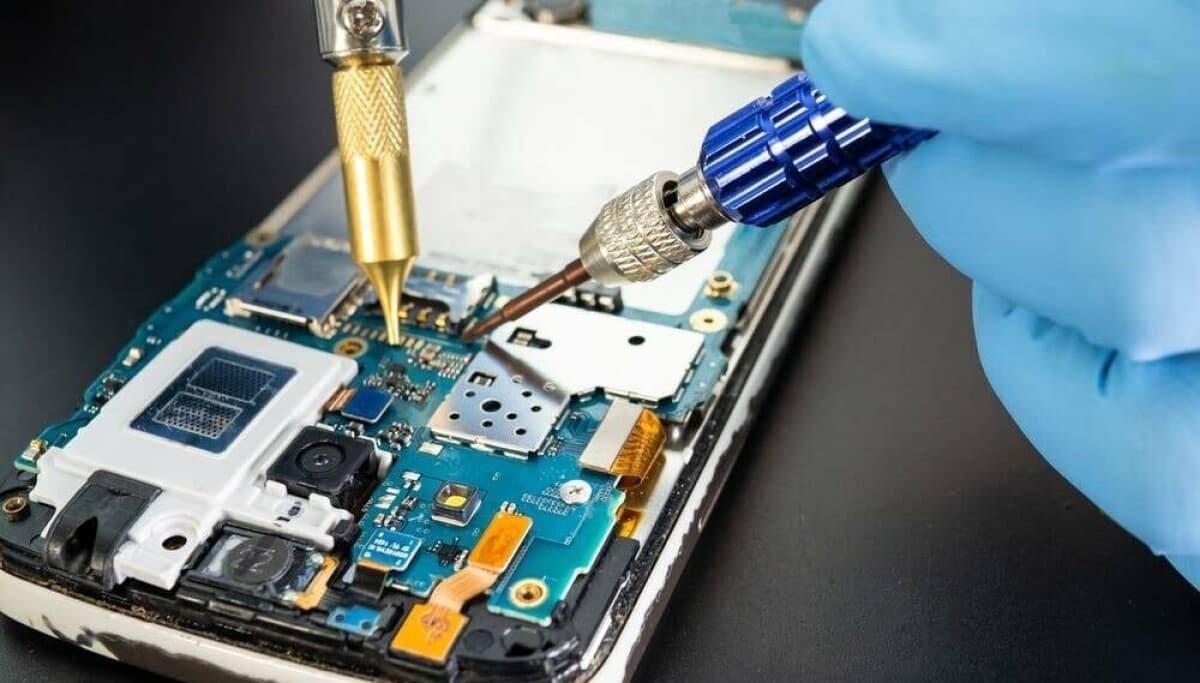
One year into the EU's repairability rules for smartphones and tablets, the vast majority of devices still don't comply. Right to Repair Europe's review of the European Product Registry for Energy Labelling found that of 2,334 smartphone models brought to market since June 2025, only about 18% actually list a website where spare parts prices or repair instructions can be found.
Half the records have blank URL fields. Another 19% point to product or support pages that contain no repair info at all. Some manufacturers even link to Temu or AliExpress for spare parts and instructions. And despite this, several blatantly non-compliant vendors still award themselves top marks — a self-declared class A repairability score.
The rules, which came into force in June 2025, require manufacturers to publish a repairability score and provide links to repair information on the energy label. But Right to Repair says the label is missing for a significant number of products sold in stores and online, and no public authority seems to be checking the declared data.
Even where spare parts are listed, prices are often absurdly wide — a replacement battery might range from €14 to €128. And for major brands like Apple and Samsung, the provided links rarely take you straight to parts pricing; you have to click around to find what you need.
Thomas Opsomer, iFixit's EU policy spokesperson, speaking for the Right to Repair Europe Coalition, said the obligation to publish spare parts prices and repair manuals is a step forward but needs better enforcement. He called for manufacturers to publish the full documentation behind their self-assigned scores so anyone can check their homework, and for easier ways for consumers and repairers to report non-compliance.
Next year, new EU rules will require user-replaceable batteries in mobile devices, with some exceptions for wearables. But if the current repairability regime is any indication, enforcement will be just as lax.
Manufacturers should be required to publish the full documentation underpinning the scores they report, so that anyone can check their homework.
Source: theregister
Discussion
0 Comments
Be the first to start the discussion.