From Hookswitch to Grave: The Vertical Integration of the Bell System
A look at how AT&T built a vertically integrated telephone empire—from Western Electric manufacturing to the Staten Island salvage works—and what it meant for the industry.
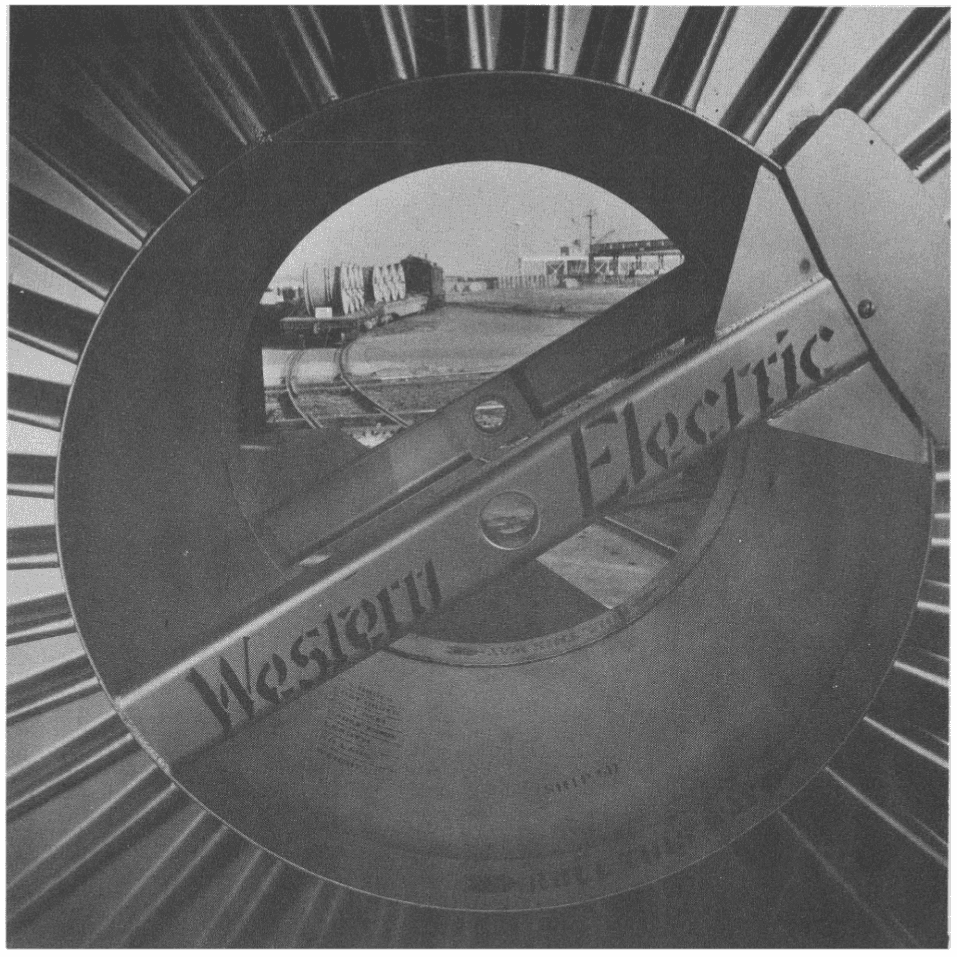
AT&T's history is a masterclass in vertical integration. The company didn't just operate the network; it designed, built, maintained, and eventually disposed of nearly every piece of equipment in it. This story, drawn from a deep dive into the Bell System's corporate history, traces that arc from the founding of Western Electric to the salvage yards where old phones went to die.
Western Electric: The Manufacturing Arm
Western Electric (WE) began as a small manufacturer founded by Enos Barton and George Shawk, with early backing from Elisha Gray—a rival claimant to Bell in the telephone patent wars. Gray's involvement was short-lived, but it set the stage for WE's eventual role. In 1881, AT&T acquired WE, turning a potential competitor into the sole supplier for the Bell System.
By the 1920s, WE was making everything from telephones to central office switches. Its purchasing arm negotiated on behalf of the entire AT&T family, and in 1925, its non-telephone business was spun off as Graybar. From that point, WE's only customer was the Bell System.
Bell Labs: R&D Meets Manufacturing
The 1925 reorganization also created Bell Labs, jointly owned by WE and AT&T. This consolidated basic research with manufacturing expertise, enabling decades of tightly integrated innovation. The result was a system where equipment was conceived, designed, built, and used within the same corporate umbrella.
The Refurbishment Economy
Telephones were leased, not sold. When customers canceled service or wanted an upgrade, the phone went back to a WE service center for refurbishment. Millions of phones flowed through these centers annually, with technicians inspecting, cleaning, and testing each unit before it was reissued. This closed-loop system minimized costs and kept equipment in service for decades.
The Salvage Works: Where Phones Went to Die
Not everything could be refurbished. Old switching equipment, cables, and unrepairable phones were shipped back to WE—specifically to the Nassau Smelting and Refining Company on Staten Island. This facility, founded by Benjamin Lowenstein in the 1880s, had evolved from a Linotype alloy supplier into a major copper refiner. By the time it became WE's salvage arm, it was processing scrap from the entire Bell System, extracting valuable metals for reuse.
The vertical integration was complete: AT&T controlled the entire lifecycle, from the mining of raw materials to the disposal of end-of-life equipment. It was a model of industrial efficiency, but also one of monopolistic control—a system that would eventually be dismantled by antitrust action in 1984.
AT&T was not the kind of company to leave things to chance, and least of all when it came to competition.
Discussion
0 Comments
Be the first to start the discussion.