Medici Murder Mystery Solved: DNA Confirms Malaria, Not Poison
New DNA analysis of Francesco I de' Medici's remains confirms malaria, not arsenic poisoning, as the cause of his and his wife's deaths in 1587, ending a 400-year-old murder mystery.
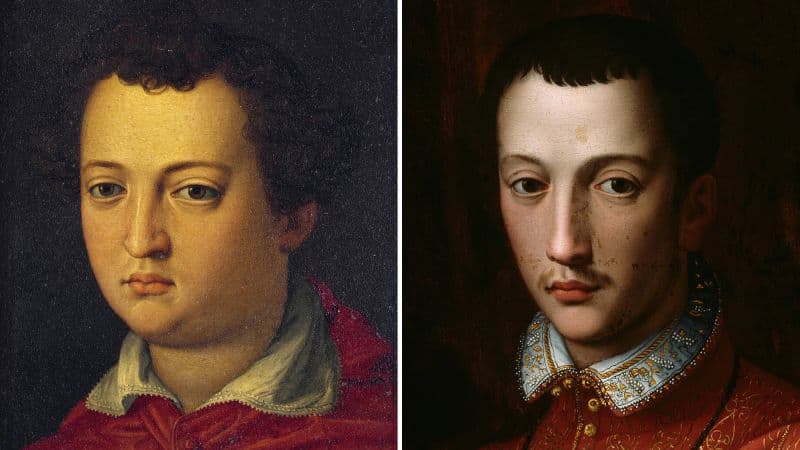
For over 400 years, the sudden deaths of Grand Duke Francesco I de' Medici and his wife Bianca Cappello in 1587 fueled rumors of assassination by Francesco's brother Ferdinando. A new study using ancient DNA from Francesco's skeletal remains has settled the debate: both died of malaria, not poison.
The study, led by Serena Tucci of Yale and published in iScience, extracted DNA from bone samples preserved since the Medici Project exhumations in 2004. The analysis detected genetic traces of Plasmodium falciparum and Plasmodium malariae, the parasites causing malaria, in Francesco's ribs. This confirms earlier paleo-immunological findings but provides a definitive answer that DNA evidence alone can offer.
Historical context supports the finding: the couple fell ill at a villa near Florence surrounded by marshes and rice fields—ideal mosquito breeding grounds. Court physicians documented symptoms consistent with malaria, including intermittent fevers. The arsenic poisoning theory, fueled by Ferdinando's political motives and a history of Medici violence, was never backed by conclusive toxicological evidence.
The study also analyzed remains of Cardinal Giovanni de' Medici, who died 25 years earlier after a coastal trip, finding a previously unknown strain of Plasmodium falciparum. This highlights the historical prevalence of malaria in Renaissance Italy and the power of ancient DNA to resolve long-standing historical debates.
DNA is certain. It solves the problem and the doubts. I think this is a definitive answer.
Source: CNN
Discussion
0 Comments
Be the first to start the discussion.