Early-Life Sugar Rationing Tied to Lower Cancer Risk and Slower Aging Decades Later
A natural experiment from postwar Britain reveals that sugar restriction in the first 1,000 days is linked to lower cancer incidence and slower biological aging—effects that persist into the 70s.
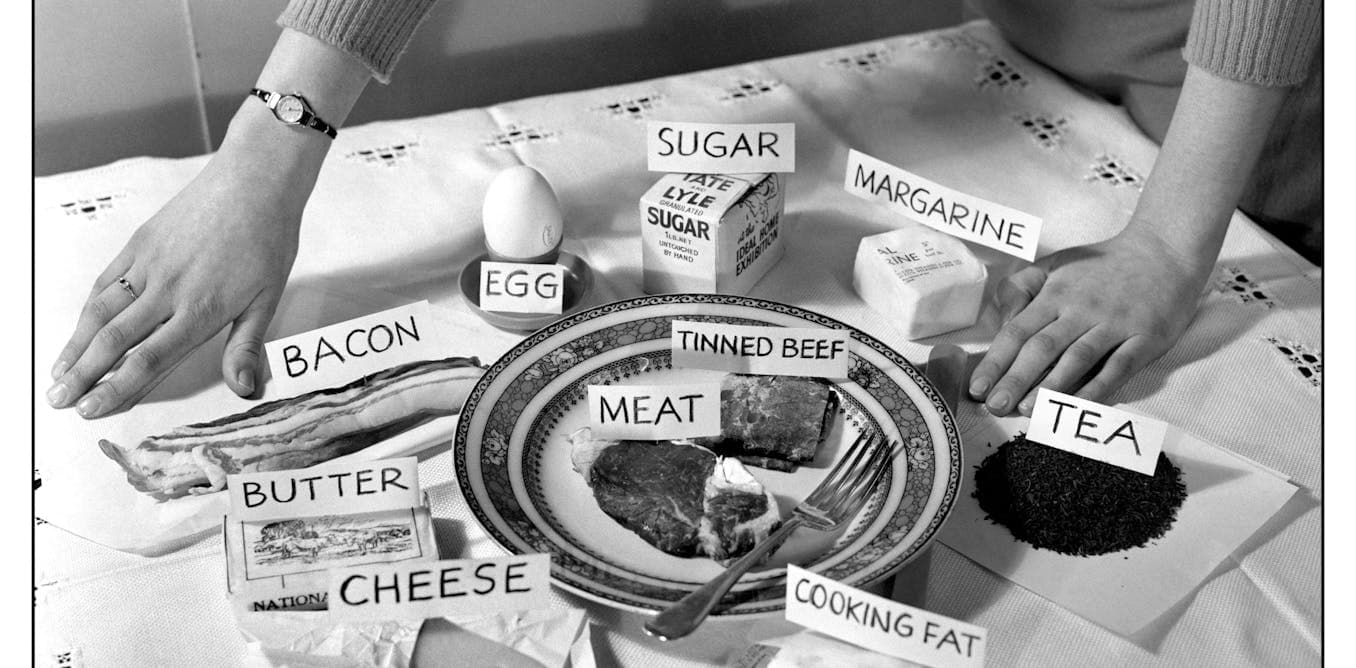
Can what you eat before age two shape your health at 70? A new study exploiting Britain's postwar sugar rationing suggests yes—and the effects are surprisingly broad.
Researchers used the end of sugar rationing in September 1953 as a natural experiment. People born just months apart experienced very different sugar exposure in the womb and early childhood. The study tracked over 64,000 Britons born between 1951 and 1956, using UK Biobank data to link rationing duration to cancer and aging markers.
Results show that longer sugar rationing during the first 1,000 days—from conception to age two—was associated with lower incidence of five cancers: breast, prostate, liver, rectal, and lung. Liver cancer rates were about 69% lower; breast cancer, 36% lower. These differences emerged only decades later.
The study also found signs of slower biological aging. People with more rationing had longer telomeres—equivalent to about 2.2 years of slower aging—and lower levels of granzyme B, a marker of immune system wear.
Perhaps most striking: the dietary impact lasted 50 years. Those exposed to rationing consumed less sugar in adulthood, ate less overall, and had healthier, more diverse diets. The authors propose two mechanisms: biological programming of metabolism and organs, and behavioral shaping of taste preferences toward less sweetness.
This isn't a call for rationing, but it underscores the critical window of early development. As the authors note, children may not remember what they ate before age two, but their bodies and taste preferences may carry that imprint for life.
Children may not remember what they ate before age two. But their later health, their bodies and even their taste preferences may still carry the imprint of those very early-life experiences.
| Cancer type | Risk reduction |
|---|---|
| Liver | ~69% |
| Breast | ~36% |
| Prostate | Not specified |
| Rectal | Not specified |
| Lung | Not specified |
Discussion
0 Comments
Be the first to start the discussion.