How a $1 Texas Insurance Fee Became a $30M Flock Camera Slush Fund
A Texas Tribune investigation reveals that a $1 auto insurance fee, passed to fight catalytic converter theft, has quietly funded thousands of AI-powered Flock license plate cameras—sparking a privacy backlash and a governor's pause.
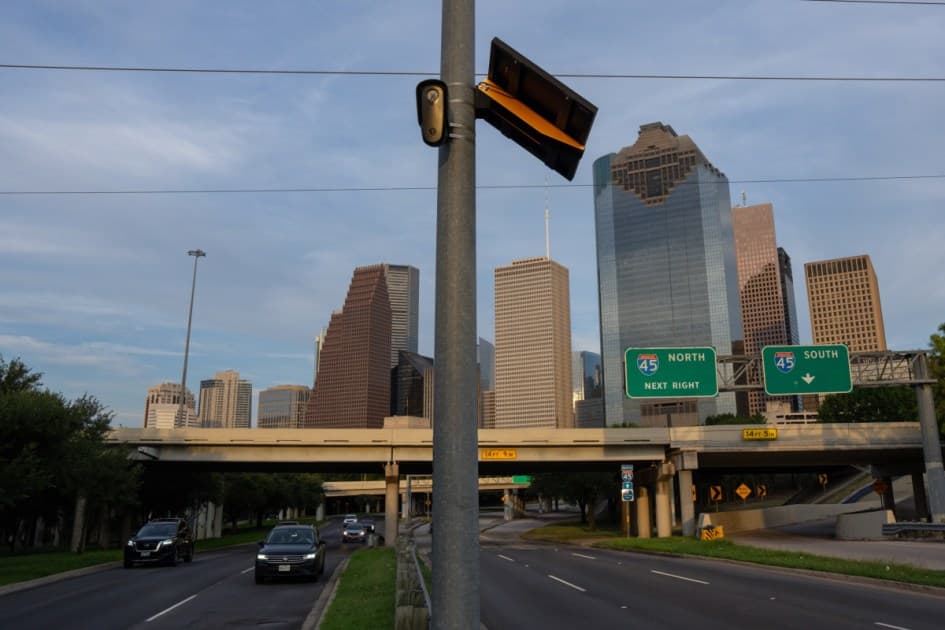
The Texas Legislature thought it was funding more boots on the ground. Instead, a $1 annual auto insurance fee has become a multi-million-dollar engine for AI-powered surveillance cameras across the state.
An investigation by The Texas Tribune found that the Motor Vehicle Crime Prevention Authority (MVCPA) has funneled at least $30 million of the fee into Flock cameras—license plate readers that use AI to create searchable 'vehicle fingerprints.' The agency has awarded 95 grants to police departments for roughly 2,000 cameras, plus another $15.9 million for nearly 1,200 more through the Department of Public Safety. A recent $3 million approval will add 583 cameras along tollways.
The fee was added in 2023, unanimously, to combat catalytic converter theft. The bill's author and sponsor say surveillance cameras were never mentioned during deliberations. 'I did not have that in mind when we passed the bill,' said Sen. Carol Alvarado. Rep. Brian Harrison, who voted for it, said, 'In a million years, I never could have even contemplated that this would be used to fund what is effectively warrantless surveillance.'
Flock cameras, the nation's most common license plate reader, store plate numbers, make, model, color, and even dents and bumper stickers in a national database accessible to law enforcement without a warrant. Texas now has an estimated 13,000 Flock cameras—one in four paid for by the insurance fee, according to DeFlock's crowd-sourced map.
The backlash is mounting. A Lufkin officer was indicted on 100 counts of misusing Flock data, and officers in several other departments have been arrested or disciplined for stalking ex-partners and co-workers. Gov. Greg Abbott has now ordered state agencies to pause funding for Flock cameras, though his office insists most local funding comes from federal grants.
The MVCPA, led by a board mostly appointed by Abbott, has not detailed how much of its grant money went to Flock. The Tribune tracked the grants through city council records and meeting minutes, and suspects the true number is higher—124 grants lack clear documentation.
This is a story about how a well-intentioned fee can be quietly repurposed, and how AI-powered surveillance can outpace the laws that were supposed to govern it.
In a million years, I never could have even contemplated that this would be used to fund what is effectively warrantless surveillance.
Discussion
0 Comments
Be the first to start the discussion.